
5 Maintenance Tips for a Custom Chimney Cap
Mar 30, 2026 · Chimney · Wyatt Sanders
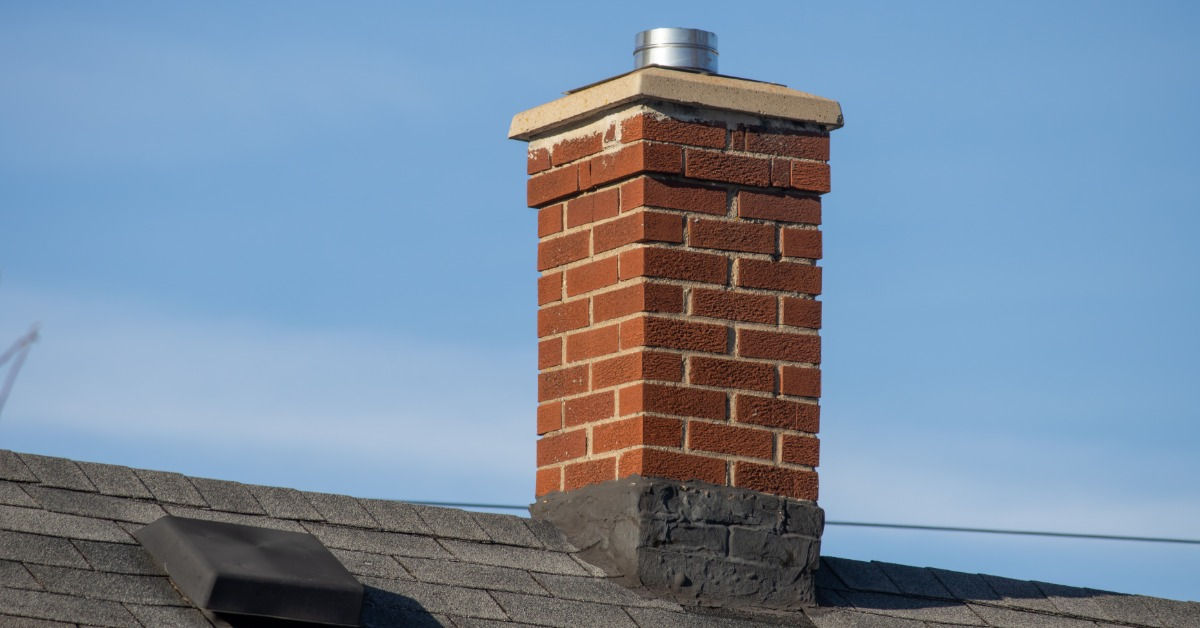
A chimney cap plays an important role in protecting a chimney system from moisture, debris, and animals. Even though these metal components are durable, they still require occasional care to function properly. Following the right maintenance tips for a custom chimney cap helps homeowners and roofing professionals keep the chimney system working efficiently while preventing avoidable damage. With regular inspection and simple upkeep, a chimney cap can continue protecting the chimney structure for many years.
Why Chimney Cap Maintenance Is Important
A chimney cap sits at the highest point of the chimney, which means it faces constant exposure to wind, rain, snow, and debris. Over time, these environmental factors can gradually affect the condition of the cap. Without routine maintenance, small issues may go unnoticed until they become larger problems.
When a chimney cap becomes clogged or damaged, the chimney system may no longer vent properly. Smoke and gases rely on a clear path to exit through the flue. A blocked or deteriorating cap can interfere with this process and create airflow problems inside the chimney.
Maintenance also helps prevent water intrusion. Rain and melting snow can find their way into the chimney if the cap is damaged or improperly secured. Keeping the cap in good condition protects both the chimney structure and the surrounding roofing materials.
Performing Regular Chimney Cap Inspections
Routine inspections are one of the easiest ways to maintain a chimney cap. Checking the cap a few times each year allows homeowners or contractors to identify small problems early. These inspections are especially helpful after storms or harsh winter weather.
During an inspection, it is important to look for visible signs of rust, corrosion, or bent metal. Strong winds and falling branches can sometimes damage the cap's surface. If the metal appears warped or misaligned, it may affect how the cap protects the chimney.
You should also examine the fasteners closely. The screws or brackets that hold the cap in place can loosen over time due to weather and temperature changes. Tightening these connections helps ensure the cap remains secure.
It is also helpful to check that the cap sits evenly on the chimney crown. A properly positioned cap provides consistent protection and prevents gaps where debris or animals might enter.
Clearing Debris From the Chimney Cap
Debris buildup is one of the most common issues that affects chimney caps. Leaves, twigs, and other materials often collect on the top of the cap or inside the mesh screen. Over time, this buildup can block airflow and reduce the efficiency of the chimney system.
Removing debris regularly helps maintain proper ventilation. A simple cleaning with a soft brush or gloved hand can clear most buildup from the cap. This small step ensures smoke and gases can escape through the chimney without restriction.
Nearby trees are often a major source of chimney debris. Branches that hang above the chimney may drop leaves and small sticks directly onto the cap. Trimming these branches helps reduce how often the cap needs cleaning. Keeping the chimney cap free of debris allows the chimney to draft properly while preventing unnecessary strain on the chimney system.
Preventing Rust and Metal Wear
Metal chimney caps withstand outdoor conditions, but moisture can still affect their surfaces over time. Rain, snow, and humidity constantly interact with the metal components. Without occasional attention, rust may begin forming along seams or edges.
Inspecting the cap for early signs of rust helps prevent long-term deterioration. You can usually clean small rust spots before they spread further across the metal surface. Addressing corrosion early keeps the cap structurally strong.
Choosing durable materials also plays a role in rust prevention. Many manufacturers make custom chimney caps from stainless steel or high-quality galvanized metal because these materials resist corrosion better than standard metals.
Keeping the cap clean and checking it regularly helps extend the life of these protective materials. When you manage rust early, the cap can continue performing reliably for many years.
Maintaining the Mesh Screen
The mesh screen on a chimney cap helps prevent animals from entering the chimney flue. Birds, squirrels, and other wildlife often seek out chimneys because the structures provide warmth and shelter. A properly maintained mesh screen blocks these animals while still allowing airflow.
Over time, the screen may collect soot particles or outdoor debris. This buildup can reduce ventilation and affect the chimney's draft. Cleaning the screen periodically keeps airflow consistent.
You should also check the mesh for damage. Torn or weakened sections may allow animals to access the chimney. Repairing or replacing damaged mesh helps maintain the protective function of the chimney cap. A strong and clear mesh screen ensures the chimney remains protected without interfering with normal chimney operation.
Checking for Weather Damage
Weather exposure can gradually affect chimney caps throughout the year. Heavy snow, strong winds, and falling debris can place stress on the metal structure. Checking the cap after severe weather helps confirm that it remains secure and undamaged.
Snow and ice accumulation can sometimes add extra weight to the cap. While chimney caps can handle outdoor conditions, clearing heavy buildup when possible can help prevent unnecessary strain.
High winds may also loosen fasteners or shift the cap slightly out of position. A quick inspection after a storm helps you identify these issues early and correct them before they cause larger problems. Regular weather-related inspections ensure the cap continues protecting the chimney regardless of seasonal conditions.
Protect Your Chimney With a Custom Chimney Cap
Consistent upkeep is essential for protecting a chimney cap and the chimney system beneath it. Following simple maintenance tips for a custom chimney cap helps prevent debris buildup, rust, and damage caused by weather exposure. Routine inspections, cleaning, and minor repairs ensure the cap continues functioning properly and protecting the chimney from outside elements.
For homeowners and contractors in Indiana, Sanders Sheet Metal fabricates custom chimney caps in Indianapolis designed for durability and appearance. We build each cap to match the specific dimensions of the chimney, ensuring proper coverage and long-term performance. By combining quality metal fabrication with thoughtful design, Sanders Sheet Metal provides chimney caps that protect the chimney while adding a clean, finished look to the roof. Need a cap made or replaced? See our cap styles or get a free quote.
Got a job to price?
Send us the plans — we’ll run the takeoff and quote the metal.