
A Guide To Selecting Gutter Systems for Commercial Roofs
Feb 12, 2026 · Gutters · Wyatt Sanders
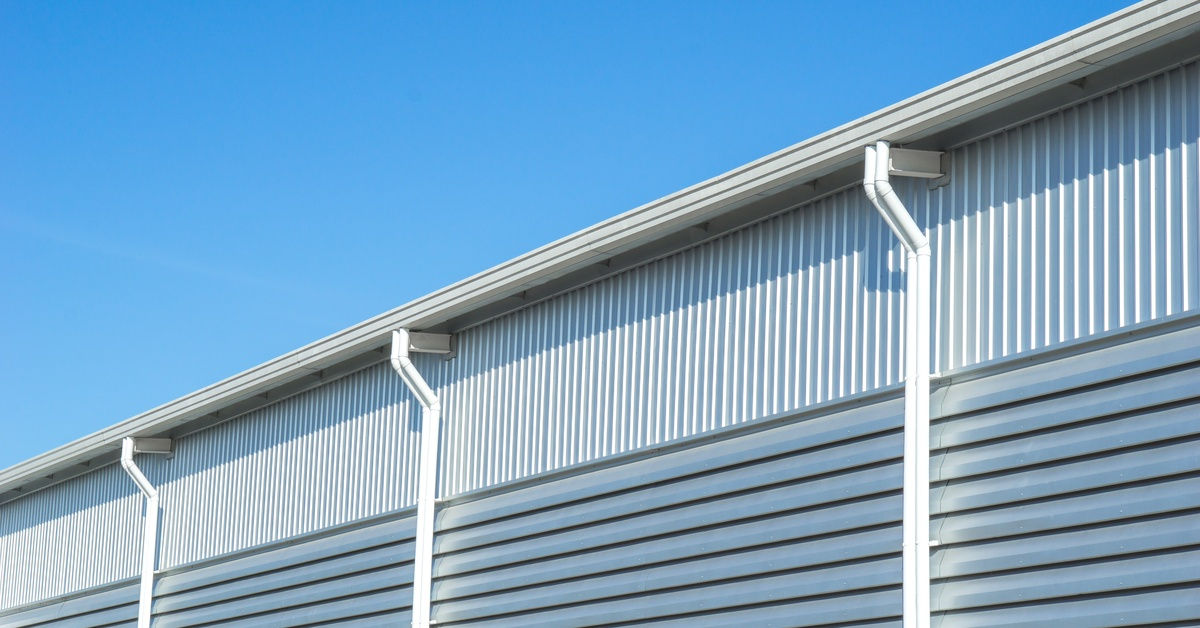
Understanding the Role of Gutters on Commercial Buildings
Commercial gutter systems do far more than move rainwater away from the roof edge. They protect façades, prevent foundation erosion, and reduce water intrusion around entry points. Poor drainage creates standing water, which accelerates membrane deterioration and increases the risk of leaks. A properly designed system supports the roof's drainage plan and preserves the building envelope.
Commercial buildings face higher water volumes than residential structures due to expansive roof surfaces. That increased load requires gutters engineered for capacity, durability, and consistent flow control. Selecting the wrong system often leads to frequent overflows, premature failure, and costly repairs. A thoughtful approach prevents those issues before installation begins.
Evaluating Roof Design and Drainage Layout
Every commercial roof presents unique drainage challenges. Flat and low-slope roofs typically rely on internal drains, scuppers, or perimeter gutters to move water efficiently. Steep-slope commercial roofs may use exterior gutter systems similar to residential designs but at larger scales. Understanding how water exits the roof helps determine the correct gutter style.
Roof size, pitch, and edge configuration all influence gutter selection. Long roof runs require expansion considerations to accommodate thermal movement. Parapet walls may limit placement options or require custom fabrication. When gutters align with the roof's design, water flows predictably and maintenance becomes more manageable.
Choosing the Right Gutter Profile for Performance
Gutter shape directly impacts water capacity and debris management. Box-style gutters remain a popular option for commercial applications because they handle large volumes efficiently. Their clean lines also integrate well with modern building designs. Custom dimensions allow fabricators to match capacity requirements precisely.
Other profiles may suit specific architectural needs, but performance should remain the priority. Narrow or shallow gutters often fail during heavy rainfall. Oversized systems provide a safety margin that protects both the roof and the building exterior. Selecting a profile that balances appearance and function delivers long-term value.
Material Selection and Durability Considerations
Material choice determines how well a gutter system withstands weather exposure, temperature changes, and mechanical stress. Aluminum offers corrosion resistance and lighter weight, making it suitable for many commercial projects. Steel provides strength and rigidity, which benefits large spans and high-volume drainage areas.
Copper delivers longevity and aesthetic appeal but comes at a higher initial investment. Galvanized options offer durability but require proper coatings to prevent corrosion over time. Each material performs differently under local climate conditions. Contractors should select materials that align with building use, maintenance expectations, and environmental exposure.
Fabrication Quality and Custom Sizing
Commercial gutters rarely succeed as off-the-shelf products. Each roof edge presents unique measurements, angles, and drainage demands. Custom fabrication ensures precise fit and consistent water flow. Proper sizing reduces seams and minimizes leak points along long runs.
High-quality fabrication also improves structural performance. Reinforced edges, smooth seams, and accurate bends help gutters maintain shape under heavy water loads. Custom solutions eliminate guesswork and ensure compatibility with downspouts and drainage outlets. Precision fabrication supports both performance and installation efficiency.
Integrating Downspouts and Drainage Paths
Gutters only perform well when paired with properly designed downspouts. Placement, sizing, and routing all affect how efficiently water exits the system. Too few downspouts cause backups and overflows. Poor placement can direct water toward entrances or foundations.
Commercial buildings often require concealed or oversized downspouts to handle flow demands. Coordinating gutter design with drainage paths prevents bottlenecks. Water should move away from the building quickly and safely. A complete system approach delivers better results than focusing on gutters alone.
Installation Methods and Structural Support
Installation quality determines how long a gutter system performs as intended. Commercial gutters require adequate hangers, brackets, and supports to prevent sagging. Improper spacing leads to standing water and joint stress. Secure attachment protects the system during heavy rain and seasonal temperature shifts.
It's also important to address thermal movement during installation. Long metal runs expand and contract throughout the year. Allowing controlled movement prevents warping and joint separation. Experienced installers understand how to balance rigidity with flexibility for lasting performance.
Maintenance and Long-Term Performance
Even the best gutter systems require routine inspection and maintenance. Commercial environments often expose gutters to debris, pollutants, and mechanical impacts. Selecting materials and designs that simplify cleaning reduces long-term labor costs. Smooth interiors and accessible layouts improve serviceability.
Planning for maintenance during selection saves time later. Systems that resist corrosion and maintain slope over time perform more consistently. Durable construction reduces emergency repairs and extends service life. Long-term performance begins with smart design choices.
Matching Gutter Systems To Building Use
Different commercial buildings place different demands on gutter systems. Warehouses, retail centers, and office buildings all manage water differently. Roof traffic, equipment placement, and surrounding landscaping influence gutter exposure. Understanding how the building operates helps guide selection decisions.
High-traffic areas may require reinforced systems to prevent damage. Buildings with sensitive interiors benefit from added drainage redundancy. Matching the system to the building's function ensures protection aligns with operational priorities. One-size solutions rarely deliver optimal results.
Partnering With the Right Fabrication Expert
Selecting a gutter system involves more than choosing materials and profiles. Working with a knowledgeable fabrication partner ensures every component fits the project's requirements. Experience with commercial roofing systems allows for proactive problem-solving during design and production.
A trusted partner understands local building conditions and contractor expectations. Custom fabrication, reliable lead times, and consistent quality make a measurable difference on job sites. Collaboration between contractors and fabricators leads to smoother installations and better outcomes.
Update Your Roofing Projects Today
Making informed decisions about commercial gutter systems protects roofs, buildings, and long-term investments. This article has provided a guide to selecting gutter systems for commercial roofs by outlining the critical factors that influence performance, durability, and efficiency. When you need a reliable partner, Sanders Sheet Metal is your trusted source for commercial gutters in Indianapolis. Upgrade your roofing projects with our premium solutions, custom fabrication, and expertise designed to support demanding commercial applications. Call us for a free quote or send plans for a takeoff.
Got a job to price?
Send us the plans — we’ll run the takeoff and quote the metal.