
Multi-Flue Chimney Cap Fabrication Specs
Jul 10, 2026 · Guides · Sanders Sheet Metal
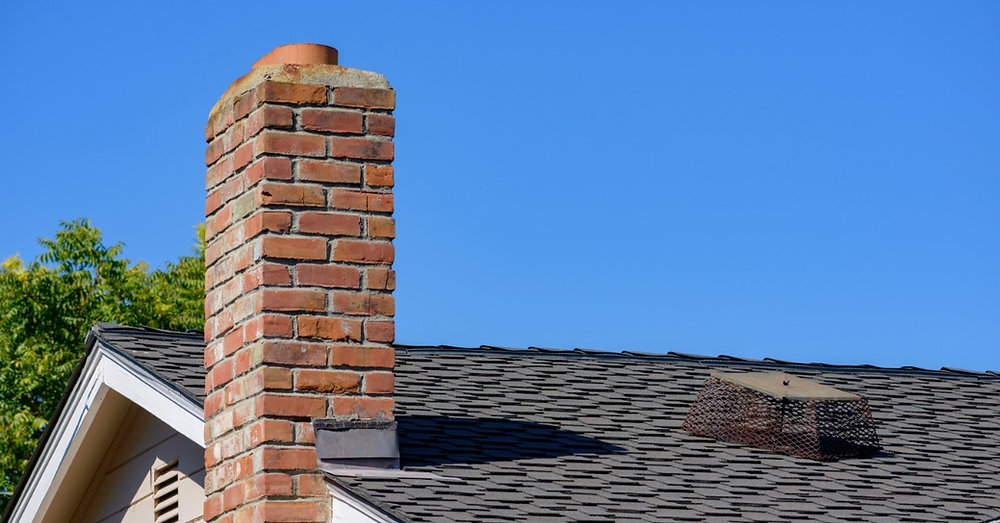
A properly fabricated chimney cap protects masonry while improving water management and helping extend the service life of a chimney system. When multiple flues share one chimney, the design requires careful coordination of dimensions, airflow, support, and weather protection.
Understanding multi-flue chimney cap fabrication specs helps property owners, contractors, and builders make informed decisions when ordering a custom product. Every measurement matters because a cap must fit the chimney correctly while allowing each flue to operate as intended. Careful fabrication also supports long-term durability in demanding outdoor conditions.
Why Multi-Flue Chimney Caps Require Custom Fabrication
A multi-flue chimney cap covers more than one flue opening within a single chimney structure. Unlike standard single-flue products, these caps must accommodate varying flue sizes, spacing requirements, and chimney dimensions. A custom approach ensures the cap aligns with the exact footprint of the chimney while maintaining proper clearance around each flue.
Fabricators begin by reviewing chimney width, chimney length, flue placement, and overall termination conditions. Small dimensional differences can affect fit and performance. A custom cap also allows the manufacturer to account for unusual chimney layouts that standard products cannot serve.
Core Measurements Used During Fabrication
Accurate field measurements provide the foundation for a successful fabrication project. The outside dimensions of the chimney establish the overall size of the cap, while flue dimensions help determine openings and clearances. Fabricators also evaluate crown conditions because attachment methods often depend on the chimney surface.
Height plays an important role as well. The distance between the cap lid and flue openings influences airflow and weather protection. Proper proportions help prevent restrictions while supporting effective coverage during rain and snow events. Consistent measurements reduce installation challenges and help create a cleaner finished appearance.
Material Selection Considerations
Material choice affects appearance, longevity, maintenance requirements, and resistance to environmental exposure. Stainless steel remains a popular option because it offers excellent durability and strong resistance to corrosion. Copper provides a distinctive appearance and develops a natural patina over time. Property owners often choose galvanized steel for applications where budget considerations guide purchasing decisions.
The fabrication process must match the chosen material. Different metals respond differently during cutting, forming, welding, and finishing. Selecting the right material for the environment helps maximize performance while supporting long-term value for the property owner.
Lid Design and Water Management
The lid serves as the primary barrier against rain, snow, and debris. Fabricators design the lid with overhang dimensions that direct water away from the chimney structure. Proper overhang coverage helps reduce moisture exposure on masonry surfaces and surrounding components.
Many custom chimney caps include formed edges that encourage water runoff. Drainage considerations become especially important on larger caps because water can accumulate across broader surface areas. Thoughtful fabrication details help manage moisture and support longer service life.
Airflow and Ventilation Requirements
A chimney cap must provide protection without interfering with exhaust flow. Fabricators carefully position openings and establish clearances that allow gases to exit efficiently. Each flue requires sufficient open space beneath the cap lid to support proper operation.
Ventilation design becomes more important when multiple flues terminate beneath one cap. The fabrication must account for spacing between openings while maintaining structural stability. Proper airflow management contributes to performance and helps reduce potential operational concerns.
Structural Support and Reinforcement
Larger chimney caps often require additional reinforcement to maintain strength across wider spans. Fabricators may incorporate support members that help prevent flexing and improve rigidity. Reinforcement becomes particularly important in regions that experience strong winds or seasonal weather extremes.
Structural planning also affects installation. The cap must remain secure after placement while maintaining alignment across the chimney top. Well-designed reinforcement supports durability and helps the cap retain its intended shape over time.
Attachment Methods and Fit
Secure attachment is essential for long-term performance. Fabricators design mounting systems based on chimney construction, cap size, and project requirements. The goal is to create a stable connection that resists movement while preserving the integrity of the chimney structure.
Custom fabrication integrates attachment details into the design from the beginning. This approach helps create a precise fit that supports easier installation. Proper fit also contributes to appearance because the cap sits evenly across the chimney top.
Fabrication Quality and Finishing Details
High-quality fabrication involves more than cutting metal to size. Consistent forming, accurate welding, and careful finishing all contribute to the final product. Attention to detail helps improve appearance while supporting structural performance.
Smooth edges, clean joints, and properly executed seams reflect strong workmanship. Quality control measures help verify dimensions before shipment. These steps reduce the likelihood of installation issues and help ensure the finished cap performs as expected.
Weather Exposure and Regional Conditions
Climate influences fabrication decisions throughout the design process. Areas that experience freeze thaw cycles place repeated stress on chimney components making moisture control especially important. Wind exposure can also affect cap performance, particularly on taller structures.
Custom fabrication allows adjustments that reflect local conditions and installation environments. Designing for expected weather patterns helps improve reliability and supports consistent protection throughout changing seasons year after year in demanding climates.
Ordering a Custom Chimney Cap
Successful projects begin with complete information. Contractors and property owners should provide accurate dimensions photographs when available and details about flue locations. This information helps fabricators create drawings that reflect actual field conditions.
Reviewing specifications before production reduces surprises during installation and helps confirm that the finished cap will meet project expectations. Every custom order benefits from careful planning from initial review through final fabrication stages.
Choosing Specifications for Long-Term Performance
The best fabrication specifications balance durability, functionality, and project requirements. Fabricators evaluate material selection, sizing accuracy, reinforcement needs, and airflow considerations together. A well-designed cap protects the chimney while complementing the structure it serves.
Property owners and contractors benefit from working with experienced fabricators who understand custom manufacturing requirements. Clear communication during the design phase helps ensure the finished product aligns with installation goals and performance expectations.
Partner With Sanders Sheet Metal for Custom Chimney Caps
Understanding multi-flue chimney cap fabrication specs allows buyers to make better decisions when selecting a custom chimney cap. Precise measurements, appropriate materials, effective drainage design, reliable reinforcement, and proper airflow clearances all contribute to a successful result.
Sanders Sheet Metal manufactures custom chimney rain caps built to project-specific dimensions rather than relying on one-size-fits-all solutions. We can customize fabrication details to match chimney layouts, accommodate multiple flues, and support dependable long-term performance for residential and commercial applications. Get a free quote today!
Got a job to price?
Send us the plans — we’ll run the takeoff and quote the metal.