
High-Wind Metal Edge Securement Techniques
May 20, 2026 · Low Slope · Wyatt Sanders
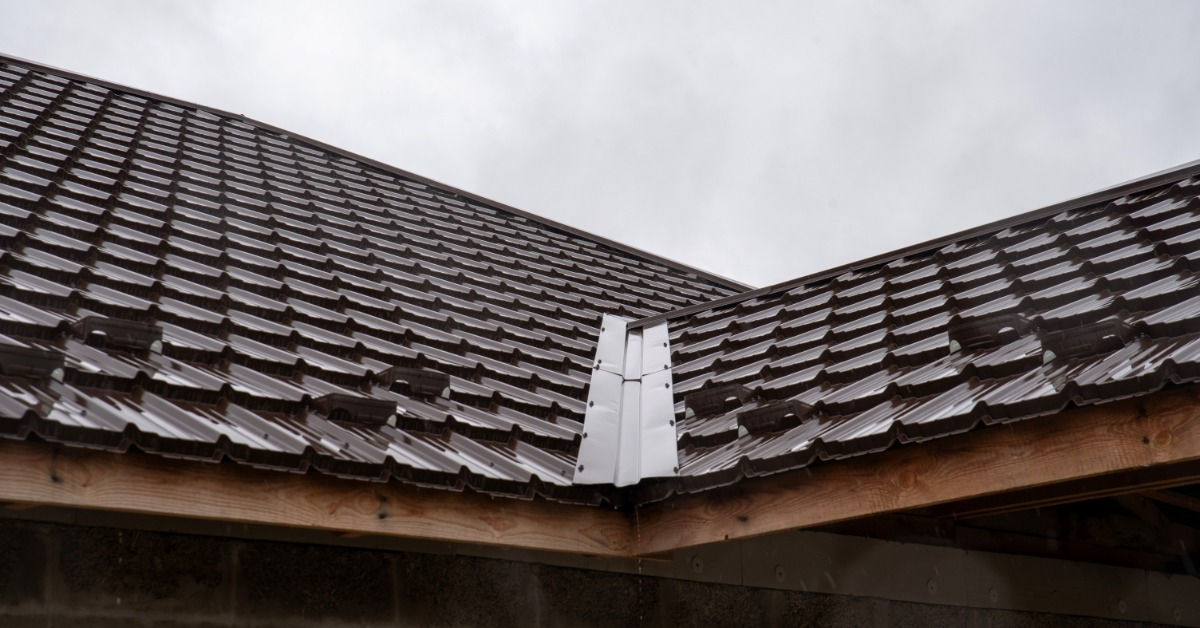
Roof edge performance often determines whether a roofing system survives severe weather, and that reality becomes clear in areas exposed to strong wind events. Contractors who understand high-wind metal edge securement techniques know that failure rarely starts in the field of the roof but instead at the perimeter where uplift pressure is most aggressive.
When edge metal is not properly designed, fabricated, or installed, it can compromise the entire system. By exploring what works in the field, based on real-world fabrication knowledge and installation experience, contractors can build assemblies that hold up when conditions turn extreme.
Why Roof Edges Fail in High Winds
Wind does not attack a roof evenly. It creates concentrated pressure at corners and along edges, which places extreme stress on coping, fascia, and drip edge systems. When contractors fail to properly secure these components, wind forces its way underneath and begins peeling them away from the structure.
One of the most common causes of failure is insufficient fastening. Fasteners that are too far apart or installed into weak substrates simply cannot resist uplift forces. Another issue comes from poorly fabricated metal components that lack rigidity or do not fit tightly against the structure. Even a small gap can allow wind to get underneath and create pressure that escalates quickly.
Improper engagement between components also leads to failure. If the edge system is not mechanically locked or reinforced, the wind can separate sections and expose the roof membrane beneath. Once that happens, the system becomes vulnerable to rapid deterioration.
The Role of Fabrication in Edge Strength
High-wind performance starts in the shop, not on the roof. Custom fabrication allows contractors to match edge components precisely to the building conditions. When fabricators form metal with the correct dimensions and tolerances, it creates a tighter fit that resists movement under pressure.
Material selection also plays a major role. Thicker gauge metals provide more resistance to bending and deformation. In high-wind regions, lighter materials may save cost upfront but often fail when subjected to repeated stress. A properly fabricated coping system should maintain its shape and structural integrity even under sustained uplift forces.
Brake-formed components must be consistent across the entire run. Variations in bends or angles can create weak points that disrupt the continuity of the system. Precision fabrication ensures that each section locks together as intended, creating a unified barrier against wind intrusion.
Securement Methods That Actually Work
Effective securement is not about using more fasteners; it is about using the right fastening pattern combined with proper engagement. Continuous cleats are one of the most reliable methods for securing metal edges in high-wind conditions. These cleats distribute force evenly along the edge and provide a stable base for the metal to attach.
Fastener placement must be intentional. Spacing should be tight enough to resist uplift while also accounting for the substrate material. Fasteners installed into steel decking, wood blocking, or concrete each require different approaches to ensure proper hold strength.
Another key factor is the use of concealed fastening systems. Exposed fasteners can become points of failure when subjected to repeated stress or corrosion. Concealed systems protect the fasteners while maintaining a clean appearance and stronger overall assembly.
Sealants and adhesives can support the system, but they should never be relied on as the primary method of securement. Mechanical attachment remains the most dependable approach in high-wind environments.
Importance of Substrate Preparation
An unstable base will cause even the best metal edge system to fail. It's easy to overlook substrate preparation, yet it directly impacts the performance of the entire assembly. Wood blocking must be properly anchored and free from defects. Steel substrates need to be structurally sound and capable of holding fasteners under load.
Uneven surfaces create gaps that prevent proper seating of the metal components. These gaps allow wind to enter and compromise the system. Ensuring a flat and secure substrate provides a solid foundation for installation.
Moisture intrusion can also weaken substrates over time. If the base material deteriorates, fasteners lose their grip and the edge system becomes vulnerable. Proper inspection and preparation before installation reduce the risk of long-term failure.
Designing for Expansion and Movement
Metal expands and contracts with temperature changes, and contractors must account for this movement during installation. In high-wind conditions, movement combined with pressure can place additional stress on the system.
Allowing for controlled expansion prevents buckling and distortion. Installers typically achieve this by using slotted holes, expansion joints, or segmented installation methods. These design elements ensure that the metal can move without compromising its securement.
Ignoring thermal movement often leads to warped edges or loosened fasteners. Over time, this weakens the system and makes it more susceptible to wind damage. A properly designed edge system balances rigidity with flexibility.
Common Installation Mistakes To Avoid
Simple installation errors cause many edge failures. Contractors often skip manufacturer guidelines or adapt details without understanding the consequences. Each system includes specific performance criteria, and altering those details reduces its effectiveness.
Another mistake involves inconsistent fastening patterns. Even if a contractor uses the correct number of fasteners, uneven spacing creates weak points. Consistency is critical for maintaining uniform strength along the entire edge.
Improper alignment during installation can also cause problems. If a contractor does not install components straight and true, they may not engage correctly. This reduces the system's ability to resist uplift forces.
Rushing the installation process often leads to overlooked details. Taking the time to ensure proper fit, alignment, and securement results in a stronger and more reliable system.
Field Testing and Performance Expectations
Contractors working in high-wind zones should understand the performance expectations for edge systems. Testing standards exist to evaluate how assemblies perform under simulated wind conditions. While not every project requires formal testing, using systems that meet recognized standards provides added confidence.
Performance is not just about surviving a single storm. It is about maintaining integrity over time despite repeated exposure to wind, temperature changes, and environmental factors. A well-designed and properly installed edge system should continue to perform year after year without significant degradation.
Regular inspections can help identify early signs of wear or movement. Addressing minor issues before they escalate prevents costly repairs and extends the life of the roof system.
Building Stronger Roof Edges in High-Wind Conditions
Edge metal that stays on in a storm comes down to attention to detail at every stage, from fabrication to final installation. Contractors who prioritize proper materials, precise fabrication, and correct securement methods create systems that stand up to extreme conditions. The difference between failure and long-term performance often comes down to the design and installation of the edge system.
For contractors working in demanding environments, having the right fabrication partner makes a measurable difference. Sanders Sheet Metal offers commercial coping packages in Indianapolis, providing custom solutions that align with the needs of roofing professionals. With a focus on quality and consistency, our fabricated components support stronger edge systems that perform when it matters most. Get a free quote today.
Got a job to price?
Send us the plans — we’ll run the takeoff and quote the metal.